All Categories
Featured


Scaling Digital Media Success Via Modern Tactics
Table of Contents
This has been the technique favoured by Silicon Valley for several years and it's accountable for a few of the biggest start-ups and tech names all over the world, including Facebook, Twitter, Airbnb, PayPal and Dropbox. As Neil Patel explains in his exceptional break down of development hacking on the QuickSprout blog site: "In the very first stage of a startup you do not require somebody to 'construct and manage a marketing group' or 'manage outside suppliers' or even 'establish a tactical marketing strategy to attain business objectives' or a number of the other things that marketers are charged with doing.
He created the phrase to separate from the specific niche kind of marketing start-ups require in their very first phase from the much more comprehensive world of digital marketing. Throughout the very first stage, a startup only cares about growth and protecting investment. Revenue doesn't even matter at this point and forget about developing any sort of money reserve for a rainy day - all income goes right back into business and increasing growth as quickly as possible.
A lot of businesses have to stabilize growth with profit, expenses, cash circulation, roi and a range of financial efficiency signs. Start-ups might be the exception where growth attracts financial investment, which fuels more growth and yet more investment and a select couple of ventures establish themselves as market leaders. The growth hacking mantra of Silicon Valley isn't all it's cracked up to be.
It's an issue increasingly explained by scientists, economists and a growing number of business owners that we require more startups that do not prioritise development above all else. There are issues at the other end of the scale, too. Services that don't prioritise growth adequate reach income, revenue and earnings ceilings.
There's no escaping the reality that. This does not mean you have to prioritise development over every other element of your business - it all depends on what your objectives are. Are you looking to construct the greatest brand possible and sell it at the peak of its worth? Or are you figured out to attain long-term, sustainable growth so that your organization can end up being an industry leader and stay there for years to come? Development marketing is always strategy-first.
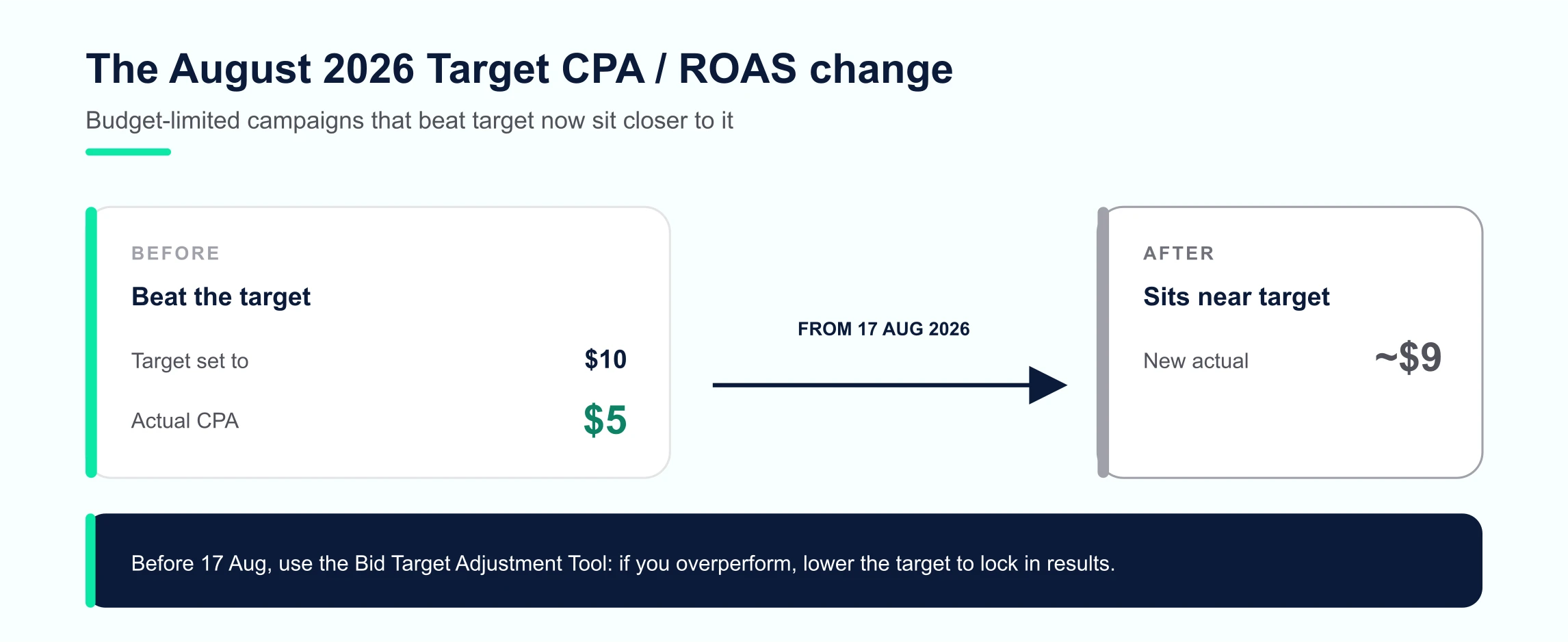
Proven Ways to Reduce Campaign CPA
This not only aligns everyone's expectations of growth (particularly stakeholders), however it crucially helps marketing leaders assist their group in the ideal instructions towards a common goal. Ultimately, growth needs to be the means to whatever end your organisation is working towards. In that sense, it should be sustainable, aligned with your values, and not at chances with your broader goals.
I've broken these examples, strategies and hacks into the following 3 sections: How Harry's, Slack, Stripe & more usage development marketing. Common development marketing tactics utilized by startups & brands.
Here, we see how little businesses turned themselves into industry giants, start-ups disrupted whole markets and established names future-proofed their position in the digital age. Harry's is the kind of growth marketing story smaller brand names dream of.
Scaling Digital Growth Results Via Modern Tactics
Harry's is by no means the only beginner to rise to the top of their industry by supplying a subscription service, either. This has actually become a staple strategy in the digital age, one that has actually reshaped markets throughout the spectrum and everything focuses on the principle of catching new clients and keeping them.
[target1:anchor_exact1]Central to Harry's growth marketing strategy is the quality of its shaving products - a crucial selling point both for brand-new and repeat customers. Harry's makes it challenging for market giants like Gillette to remain competitive by offering quality items for inexpensive rates in a market that typically relies on high increase items.
The company will need to increase sales among younger generations to remain appropriate. The excellent news for Harry's shareholders is that the business is already making premises in the ladies's shaving market, which is promising for its long-term aim of shifting importance amongst younger generations throughout the board. There's still lots of work for Harry's to do in terms of long-term market positioning however the company has actually put itself in an enviable position with its excellent growth marketing tactics up previously.

Latest Posts
Digital Best Practices to Improve 2026 CRO
The 2026 Guide to Reduced Costs
Preparing Your Paid Marketing for 2026 Standards